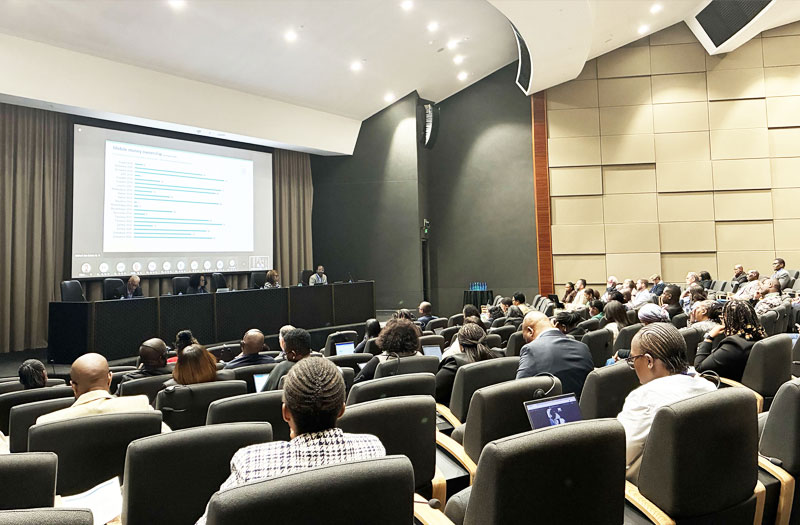
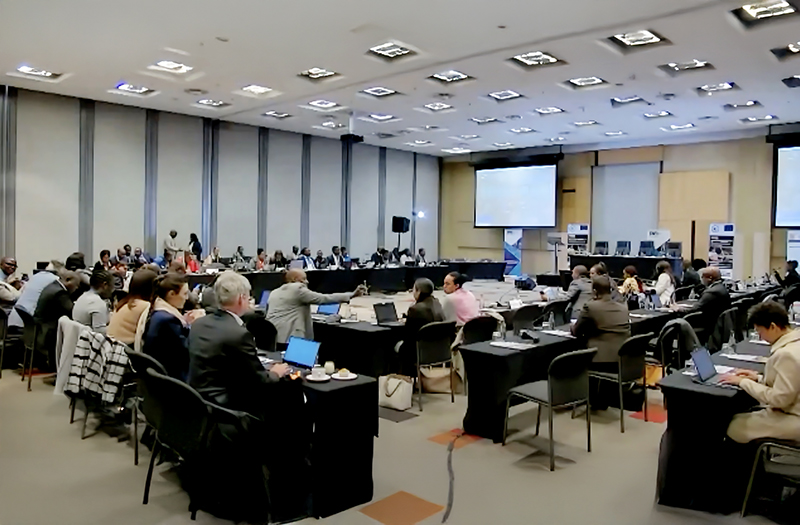
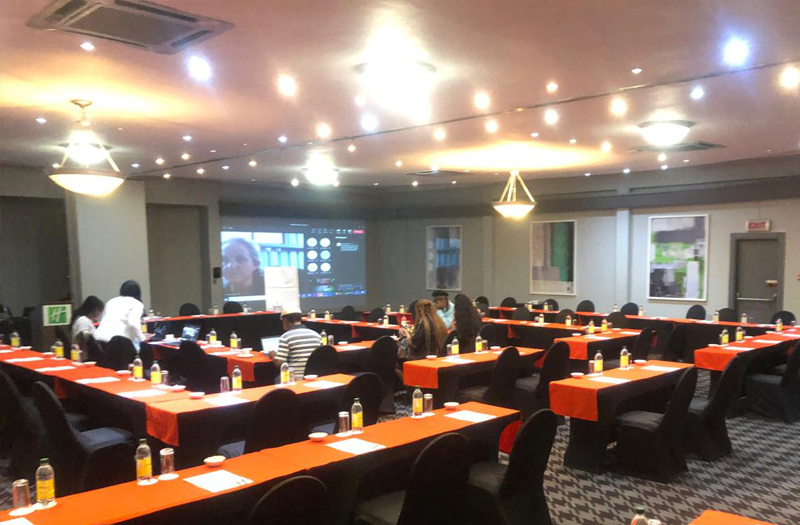
The 2026 SADC Financial Inclusion Forum was held on 5–6 May 2026 at the South African Reserve Bank in Pretoria, South Africa, marking the Forum's 10th anniversary. Bringing together regulators, policymakers, development partners and technical specialists from 13 member states — including Angola, the DRC, Eswatini, Lesotho, Malawi, Mauritius, Mozambique, Namibia, Seychelles, South Africa, Tanzania, Zambia and Zimbabwe — the Forum reflected on a decade of progress and charted priorities for the next phase of the regional financial inclusion agenda.
In her opening address, Dr Yolanda De Figueiredo Sabino (SADC Director of Finance, Investment and Customs) noted that adult financial inclusion across SADC had grown from approximately 50% in 2016 to 75% by 2025, with roughly 48 million adults — including 22 million women — entering the formal financial system over the decade. Despite these gains, she stressed that access alone is insufficient: 113 million adults remain financially excluded, remittance costs in major migration corridors remain above SDG targets, and significant disparities persist between member states.
The keynote address, delivered by Dr Arif Ismail (SARB) on behalf of Governor Lesetja Kganyago, reinforced this theme — arguing that the regional agenda must shift from measuring access toward building financial resilience, active usage and financial capability. Dr Ismail highlighted the importance of financially empowered MSMEs in supporting regional value chains, and called for gender-responsive financial products suited to informal income patterns and caregiving responsibilities. A forward-looking vision of a financially resilient SADC citizen by 2035 concluded the address.
A regional review presented by Damola Owolade (FinMark Trust) assessed implementation of the SADC Strategy on Financial Inclusion and SME Access to Finance (2023–2028). Mobile money emerged as the region's strongest inclusion driver, with merchant payments increasingly overtaking remittances as a primary use case. However, the review flagged persistent account inactivity, constrained MSME credit access, and a shortage of current demand-side data — only three member states have FinScope surveys within the required three-year reporting cycle.
Day 2 focused on forward-looking themes. An update on the SADC TCIB cross-border payments scheme noted that while 47 members are enrolled, only seven are actively transacting. The planned hub-and-spoke model is expected to connect approximately eight member states by 2027. A panel on Digital Public Infrastructure (DPI) drew on experiences from Mauritius (Central KYC platform) and Seychelles (CyD/SeyID digital identity), identifying regulatory harmonisation and public trust as the most significant barriers to regional eKYC interoperability. A dedicated working session on financial health highlighted that expanded access has not consistently translated into improved resilience — in South Africa, for example, 98% formal inclusion corresponds to only 24% financial health by FinScope measures.
The Forum also introduced a proposed Africa- and SADC-focused financial inclusion capacity building programme (FinMark Trust and Digital Frontiers), with a three-phase structure spanning self-paced online learning, a five-day residential workshop, and two years of peer-learning support. Programme launch is targeted for late 2026. In his closing remarks, Brendan Pearce (FinMark Trust CEO) observed that the regional conversation has evolved from access and regulation toward outcomes, DPI, eKYC and MSME finance — and that the next decade must focus on measurable improvements in livelihoods, resilience and economic participation.
Discussions revolved around digital payments, regulatory frameworks, and technological innovation, aiming to enhance financial inclusion and improve livelihoods by linking these efforts to regional investment opportunities.
Key presentations highlighted progress in financial inclusion across SADC member states, with Lesotho showcasing significant achievements in mobile money adoption and policy reforms that increased household financial access from 12% in 2011 to 91% in 2021. Other presentations explored the role of ICT in digitising payments, updated SADC Mobile Money Guidelines, and the importance of harmonised regulatory frameworks to foster cross-border transactions. Panel discussions addressed challenges such as cybersecurity, AML/CFT compliance, and the role of non-bank providers in digitising remittances, emphasising the need for collaboration and innovation to overcome barriers.
The forum also delved into sustainable finance and SME access to funding, with panellists from Lesotho, Eswatini, and Tanzania sharing insights on financing challenges and opportunities. Recommendations included leveraging technology, fostering partnerships, and creating enabling regulatory environments to support SMEs. Discussions on community digitisation highlighted the importance of addressing cost barriers, enhancing digital literacy, and promoting interoperability to drive financial inclusion in underserved areas.
Consumer protection was another focal point, with the adoption of SADC Financial Consumer Protection Guidelines aligned with international best practices. Presentations emphasised the need for robust cybersecurity measures, dispute resolution mechanisms, and financial education to safeguard consumers and build trust in digital financial services. The forum also underscored the importance of monitoring and evaluation tools to track progress in implementing these guidelines across member states.
The event concluded with reflections on the achievements of the forum, including the endorsement of the five-year SADC Financial Inclusion Strategy, approval of revised Mobile Money Guidelines, and the development of tools to track financial inclusion progress. The SADC Secretariat expressed gratitude to partners and participants for their contributions and reaffirmed its commitment to fostering financial inclusion and regional integration. The outcomes of the forum will be presented to the SADC Ministers of Finance and Investment for further action.
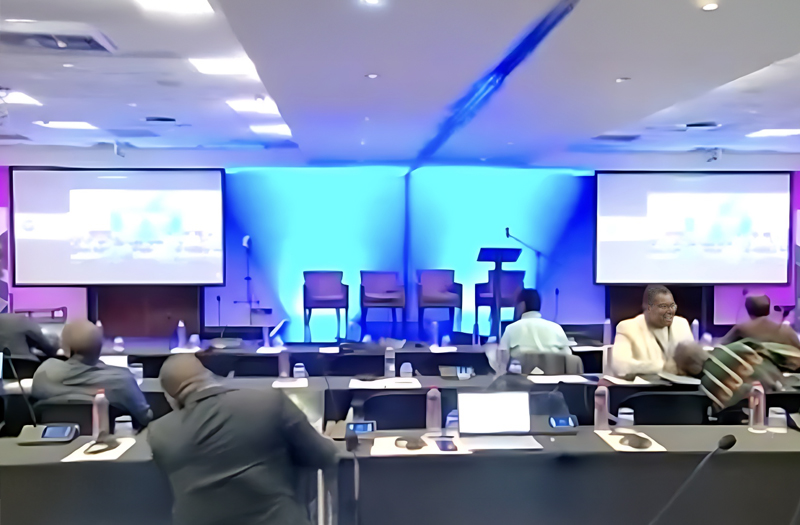
The Forum, hosted in a hybrid format, marked a milestone with its first-ever keynote address by a Minister, underscoring the event's growing significance. Key themes included the draft SADC Strategy on Financial Inclusion and SME Access to Finance (2023-2028), digital finance, sustainable finance, financial literacy, and women's economic empowerment. The event emphasised the role of financial inclusion in fostering inclusive growth, addressing poverty, and achieving the Sustainable Development Goals (SDGs).
Day 1 featured a keynote address by Botswana’s Minister of Entrepreneurship, Hon. Karabo Gare, who highlighted the importance of financial services for the informal sector and MSMEs, while addressing barriers such as limited infrastructure and financial literacy. Discussions also focused on the draft SADC Strategy, which aims to enhance financial inclusion and SME access to finance through pathways like domestic resource mobilisation, ICT adoption, and addressing gender gaps. Panels explored sustainable finance, financial inclusion’s role in achieving SDGs, and women’s empowerment, with insights on gender bonds, gender-responsive financial products, and the need for targeted interventions to close gender gaps in financial access.
Day 2 delved into the SADC RTGS Renewal Programme, emphasising the importance of cross-border payment systems, interoperability, and reducing transaction costs to foster financial inclusion. Discussions also covered the Monitoring and Evaluation (M&E) framework for the new SADC Strategy, which aims to track progress through impactful indicators. Panels addressed cross-border capital transfers, remittances, and trade, highlighting innovations like the TCIB payment scheme and the role of fintech in enhancing financial access. Climate finance was another key focus, with discussions on green bonds, sustainable finance initiatives, and the need for regional collaboration to address climate-related challenges.
The Forum’s commission sessions provided actionable recommendations across three pillars of the SADC Strategy: harmonising regulations, implementing regional infrastructure platforms, and providing targeted support to member states. Key recommendations included promoting interoperability, developing digital ID systems, enhancing financial literacy, and addressing the unique needs of rural populations, women, and youth. The importance of aligning regional and national strategies, fostering partnerships, and mobilising resources to achieve financial inclusion goals was emphasised.
In closing, the Forum highlighted the shift from financial inclusion 1.0 to 2.0, focusing on linking financial access to economic outcomes and livelihoods. The draft SADC Financial Inclusion Strategy was recognised as a living document requiring ongoing collaboration and resource mobilisation. The event concluded with a call for continued partnerships and collective efforts to advance financial inclusion, ensuring that it contributes to sustainable economic development and improved livelihoods across the SADC region.
The 2022 SADC Financial Inclusion Forum, held in Johannesburg in October 2022, marked a significant regional gathering to advance financial inclusion across Southern Africa. Key themes included the digitalisation of payments, support for MSMEs, gender-focused financial inclusion, and the growing importance of sustainable finance. The forum emphasised the critical role of financial inclusion in driving inclusive economic growth, reducing poverty, and supporting the achievement of the UN Sustainable Development Goals (SDGs).
Significant progress has been made in the region, with 70% of adults in SADC now having access to financial services – up from 57% in 2011 – and mobile money usage rising to 30%. Achievements also include the implementation of a regional real-time gross settlement (RTGS) system and reduced remittance costs. However, challenges remain, including high levels of informality among MSMEs, limited digital infrastructure, restrictive KYC requirements, and persistent gaps in women’s financial inclusion.
The forum highlighted the essential role of digitalisation in expanding financial access, particularly through mobile money and cross-border payment systems such as the Transactions Cleared on an Immediate Basis (TCIB) initiative. Discussions also focused on the need to support MSMEs – which contribute over 50% of GDP in many SADC countries – through improved access to finance, markets, and business development services. Emphasis was placed on the importance of tailored financial products, capacity building, and regulatory harmonisation to foster a more inclusive financial ecosystem.
Gender inclusion emerged as a priority, with data showing that 35% of women in SADC remain financially excluded. Recommendations included enhancing financial education, promoting women’s access to technology, developing gender-sensitive financial products, and addressing socio – ultural barriers. The forum also explored the linkages between financial inclusion and sustainable finance, urging the integration of social and environmental goals into financial policies to better support household-level outcomes and green initiatives.
Looking forward, the forum called for strengthened multi – stakeholder partnerships, better data collection, and the implementation of revised national and regional financial inclusion strategies aligned with the SADC Industrialisation Strategy. The continued focus on measurable impacts—particularly on livelihoods, economic resilience, and sustainable development – will be crucial as the region moves toward deeper financial integration and inclusive growth.