
When digital works, trust in the system grows: Lessons from Hammanskraal
In Hammanskraal, digital payments are becoming part of everyday life as people use technology to send money, buy electricity, pay for subscriptions and run small businesses on their phones – exactly what the Community Digitalisation project is working towards.
On the streets of Hammanskraal, however, the picture is slightly more complex.
“Access to digital payments is one thing. Using them with confidence is another,” says Joseph Masilela, our Community Liaison Officer (CLO) based there.
For many of the people he meets, the issues they experience are unfamiliar, inconsistent systems or queries that aren’t easy to resolve when something goes wrong.
When support meets reality
Some of the challenges people are experiencing in the community are very real and troubling for anyone who wouldn’t know how to resolve them without direct contact. A trader waiting for a payment that takes too long to reflect risks losing a sale; a customer seeing money deducted from their account when the transaction showed as failed; a parent struggling to stop a monthly subscription they did not authorise – these are only a few of the many examples Joseph has encountered.
These experiences stick. They teach communities whether digital payments are helpful or risky.
“When something goes wrong, people need help quickly. Otherwise, they lose both money and trust.”
A familiar face in a complex system
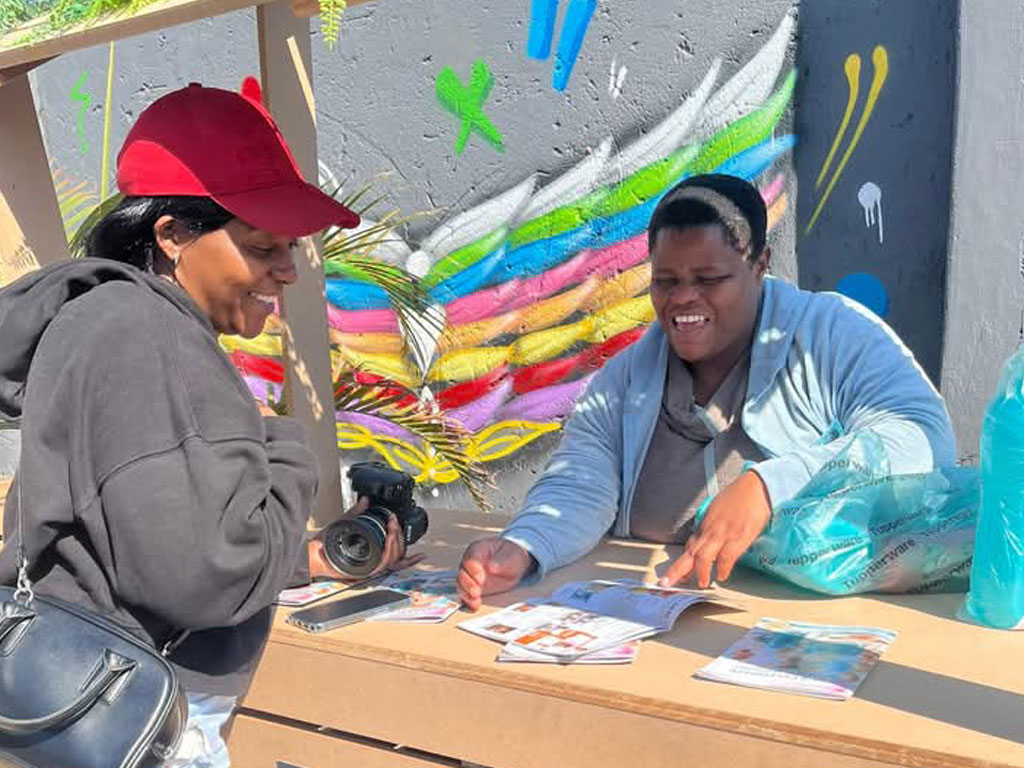
This is where Joseph’s role becomes important. He works in the community, meeting people where they live and do business by offering hands-on support. He focuses on being present and approachable – working through challenges side by side with people as they come up.
It might mean helping someone find their transaction history, walking them through a banking app, or supporting them in resolving disputes with service providers and escalating them where necessary. In other cases, it involves helping a small business owner choose the right platform to sell airtime or electricity.
“Sometimes what people need most is someone who can sit with them and work through the process, step by step.”
From issues with digital payments to real solutions
On one occasion, Joseph helped a community member who was charged R2,500 for a loan repayment instead of the agreed R1,500. Together, they contacted the lender, sent the proof of the agreement, and within 24 hours, received the R1,000 refund.
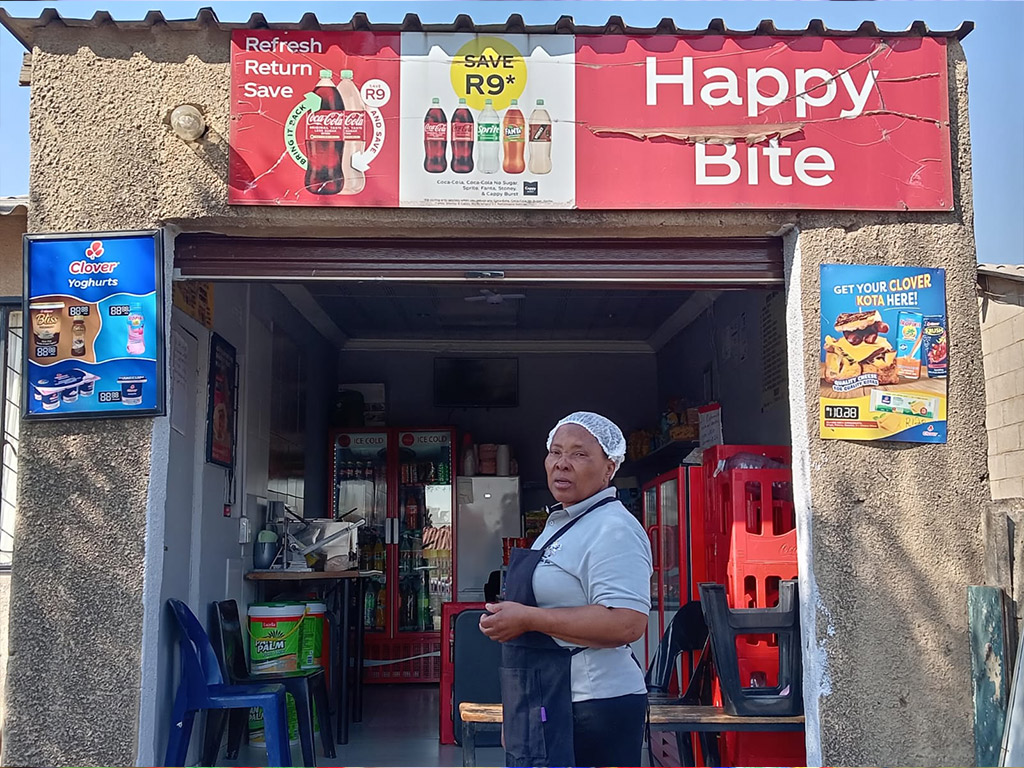
A small trader watched sales slip away as customer payments took days to clear. Joseph helped him switch to a faster banking option. His transaction times dropped, and his business stabilised.
Others have learned how to cancel subscriptions, understand the fees they were being charged, and complete transactions without assistance.
“When their issues are resolved, and they understand what to do if it happens again, their confidence grows. People start to trust the system again.”
Confidence changes how people adjust to digital payments
As people become more comfortable with digital payments, their behaviour shifts. They trust the system more. They manage their money independently and make deliberate choices about which services to use. Most importantly, they adopt digital methods with growing confidence,
This growing confidence strengthens their participation in the local economy.
“You can see the difference when someone realises they can do it on their own.”
Why this matters for digital inclusion
These experiences in Hammanskraal teach us something important for our digitalisation efforts. Technology on its own cannot guarantee inclusion. People need support that is close to home, responsive and based on their everyday realities.
The presence of someone who understands both the systems and the community creates a bridge between the two.
“I’ve been building trust with people in Hammanskraal by helping them through these experiences. I’ve found that each positive interaction makes the next one easier.”
What’s next?
The work happening through community digitalisation in Hammanskraal shows what becomes possible when digital payment solutions are supported by human contact.
As people gain more confidence to use digital financial services, the effect goes beyond their transactions. It affects how people earn, plan and support their households.
“When digital payments and tools start to work for people, you start to see the real change in how they transact in everyday life.”